
Making the most of your steam oven.
Everything the manual didn't tell you: recipes with times and settings, 172 error codes and the descaling rules for each brand, manuals for 38 models, and the accessories and cookbook owners actually use.

Shopping for one? Compare all 74 ovens · Today's deals · 2026 top picks
Some but not all of our links are affiliate links.
Cook more than leftovers
Guides to the foods steam does best, with times and settings.






Code on the display? Start here.
172 error codes from 14 brands, transcribed from the manuals with page references. Most owner-fixable ones come down to water and scale.
Every oven's manual, in one place
The exact owner's and installation manual for every steam oven we track — countertop, built-in, and commercial. We source each one from the manufacturer, match it to the exact model, and check the link stays live. No sign-ups, no dead links, no wrong-model PDFs.
Open the Manual LibraryWhat steam oven owners add first
Most ovens ship with one tray and a water tank. These are the descaler, pans and tools the manuals, our recipes and the common error codes keep pointing to.

A general-purpose steam-oven descaler, for ovens whose manual allows a generic one (Anova says any descaling l...
View on Amazon · ~$21
Miele's manual recommends perforated containers so steam reaches food from all sides. A 1/3 pan is about 12.75...
View on Amazon · ~$50
Steam cooks faster than you expect. A one-second probe stops you overcooking fish and chicken while you learn.
View on Amazon · ~$15
A 9 x 13 in pan with a grid that keeps food above the drip. Fits inside the Anova Precision Oven; measure othe...
View on Amazon · ~$19
For rice, grains, custards and anything that holds liquid. Set it under the perforated pan to catch drippings....
View on Amazon · ~$13
Steam burns through cloth mitts. Silicone does not soak, which matters when you open a door full of vapor.
View on Amazon · ~$19
Thin and flexible enough to lift steamed fillets off a perforated pan in one piece.
View on Amazon · ~$18
Bread and rice ratios by weight, not cups. Steam baking is less forgiving of guessed hydration.
View on Amazon · ~$10
Steam Oven Baking
The best-reviewed cookbook written specifically for combi steam ovens: 25 sweet recipes with the steam settings worked out for you. If you own a combi steam oven and want one book, start here.
As an Amazon Associate we earn from qualifying purchases, at no extra cost to you. Affiliate links never affect our oven rankings.
Browse the catalog
Every steam oven we track — filter by type, price, voltage, and features.
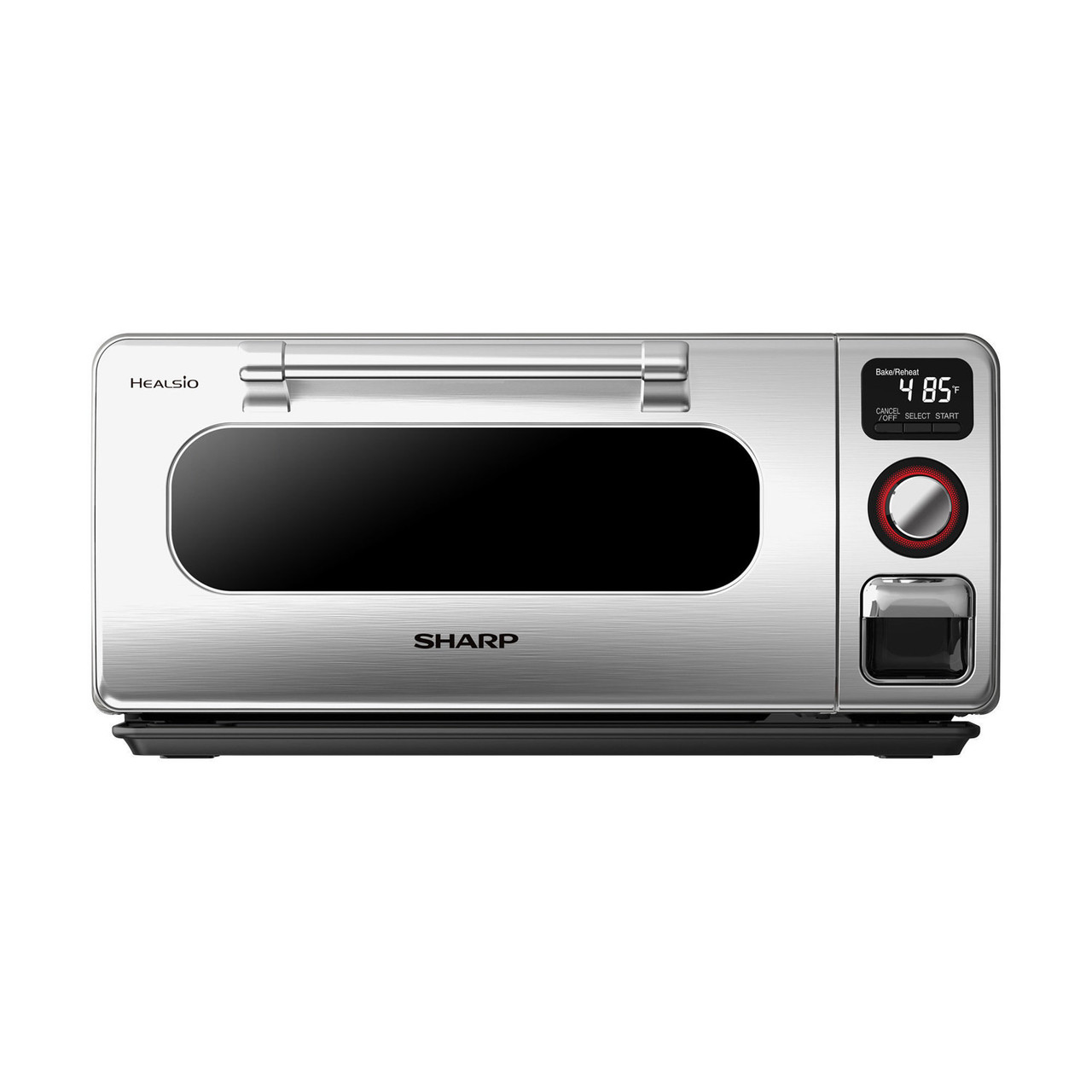
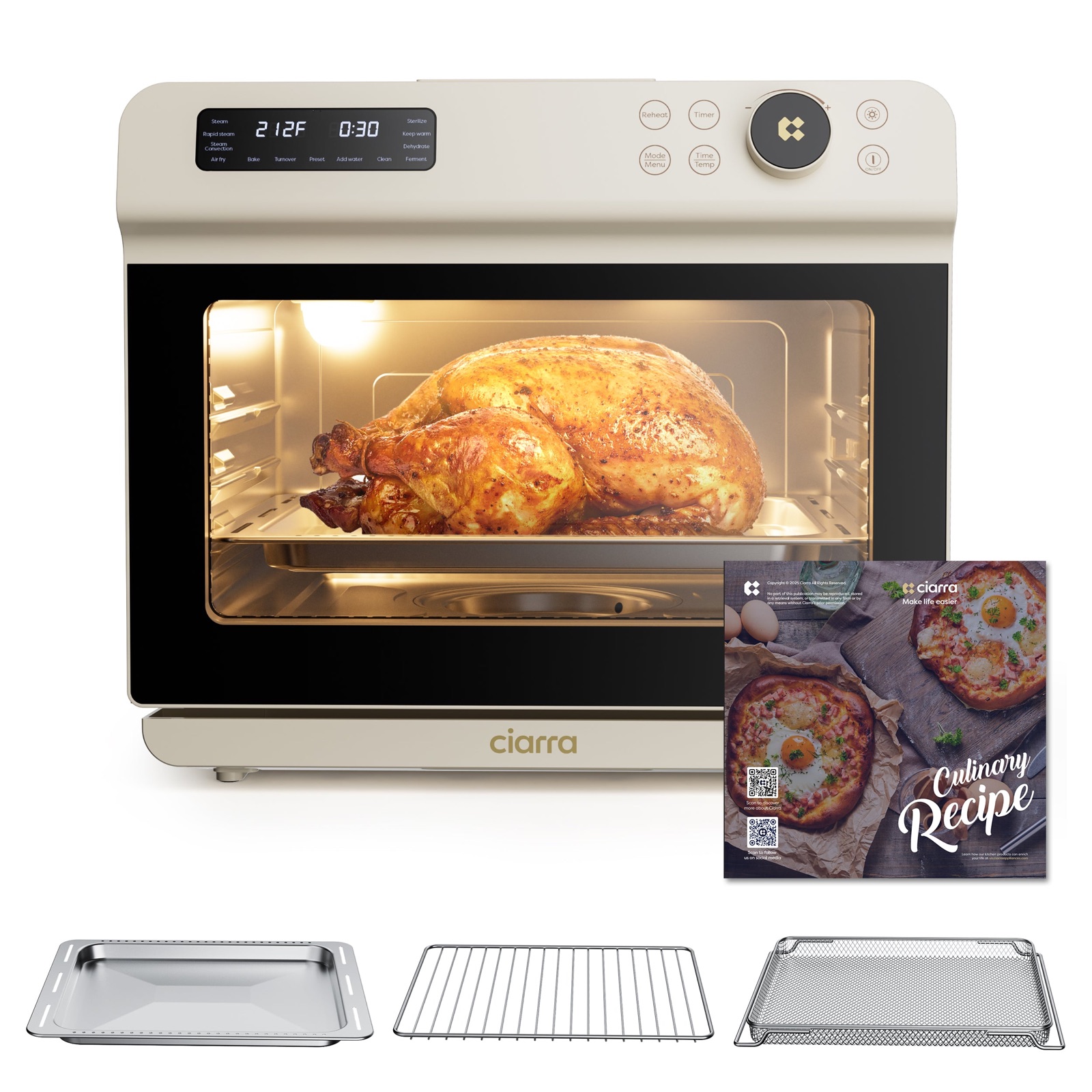
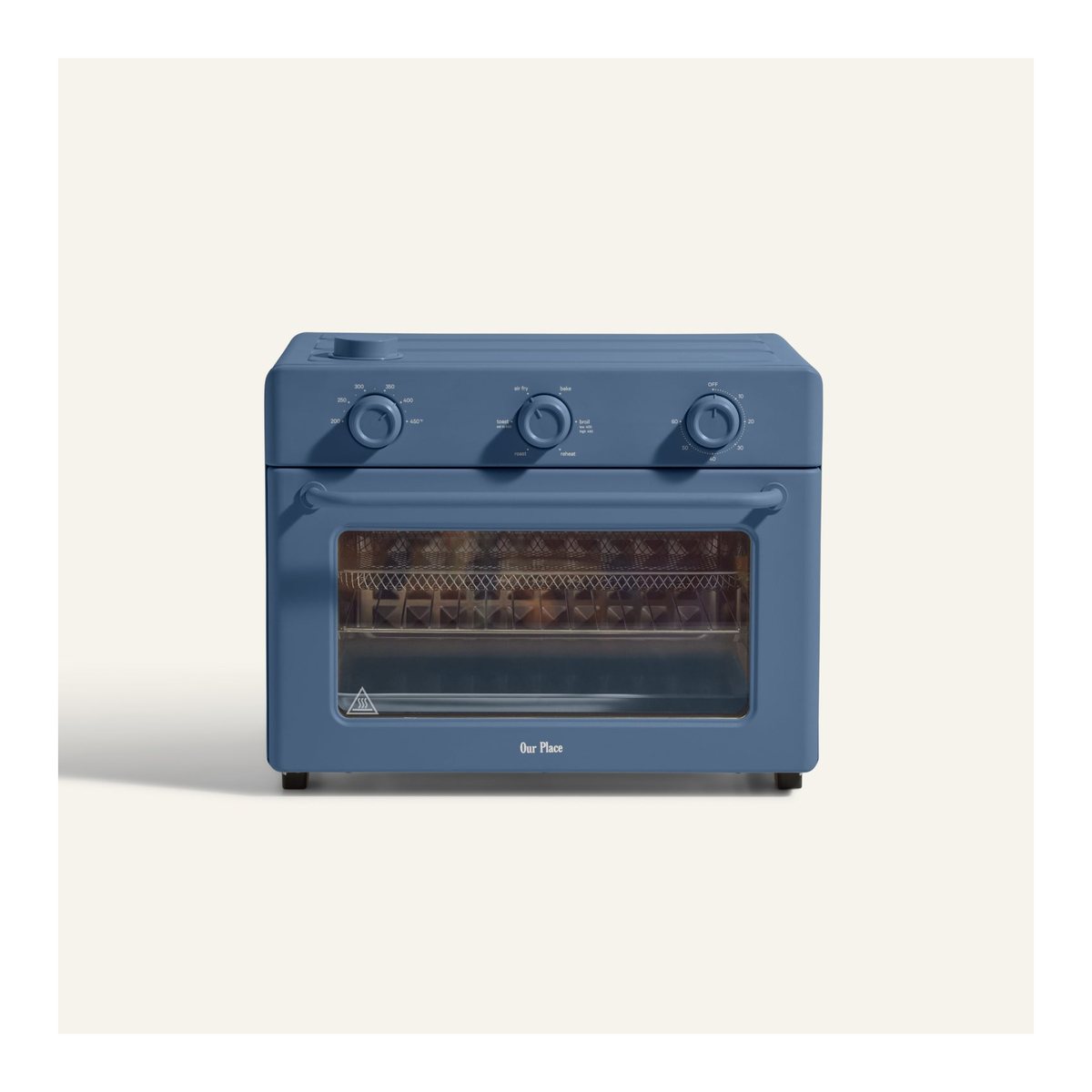

We track every steam oven's price. Every day.
Manufacturers and retailers won't tell you if today's price is a good one. We record every model's price daily and keep the history — so a "deal" here means genuinely below its typical price, not a marketing number.
See if it fits your space — before you buy
Steam ovens live or die by the cabinet cutout and the counter clearance. We pulled the exact install dimensions from every manufacturer's own documents — then built a tool that shows, to scale, which ovens actually fit your opening.
Open the Fit GuideNew Arrivals
Freshly researched, verified, and price-tracked from day one.
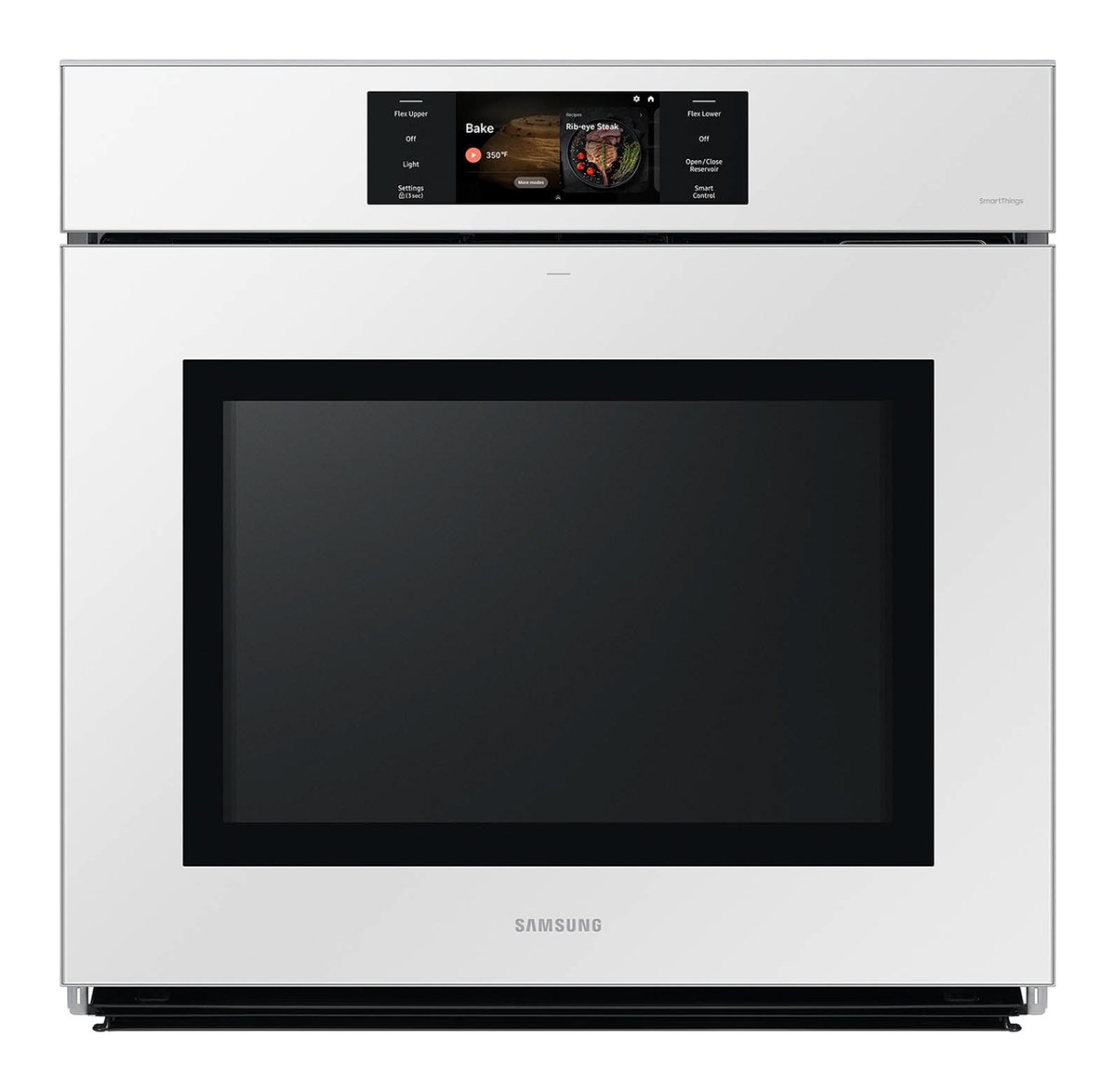
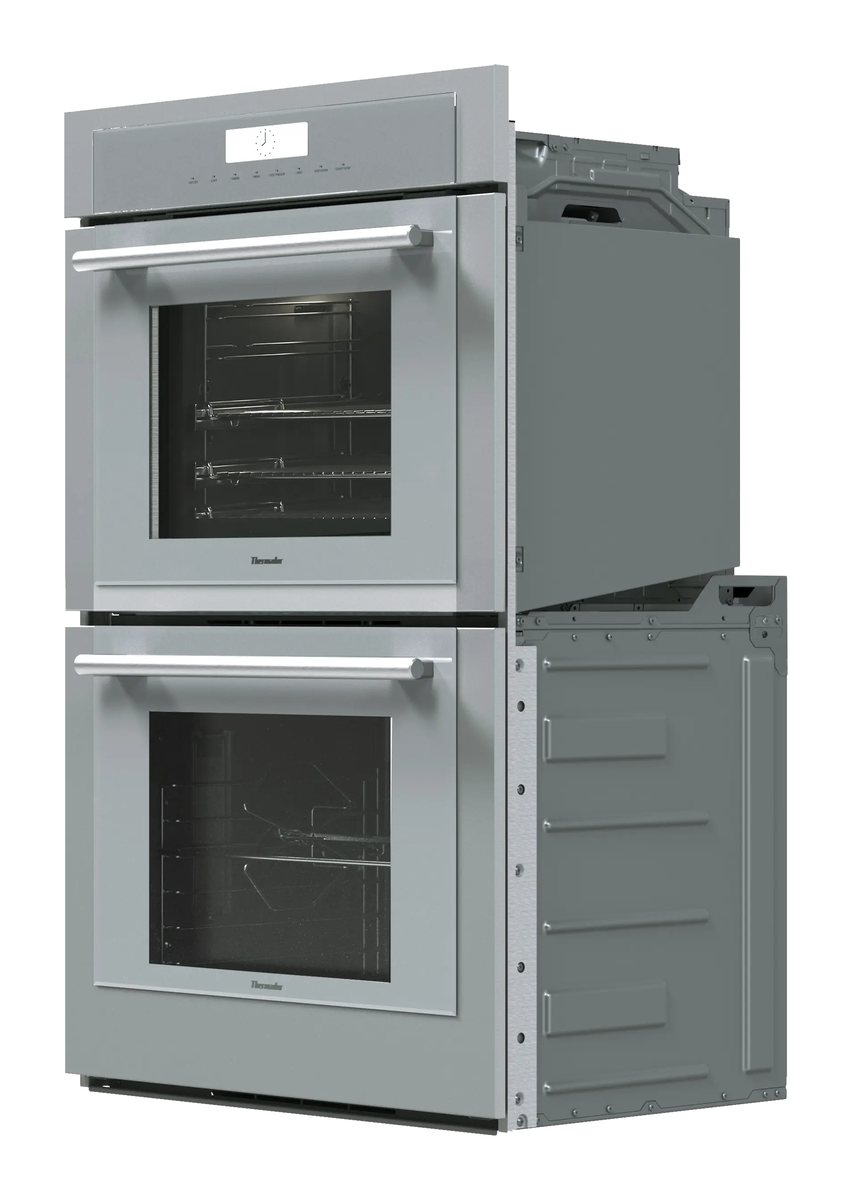
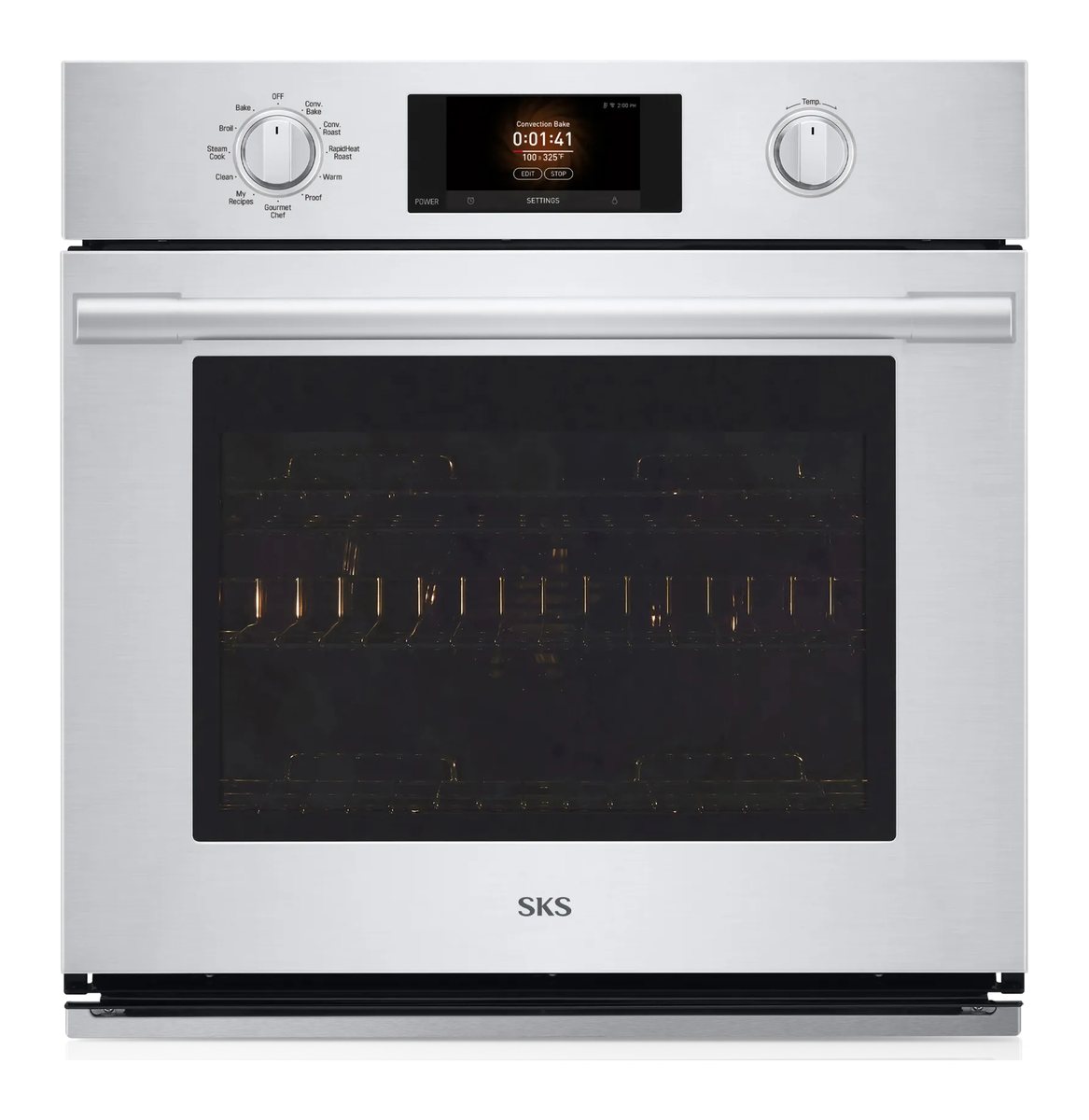
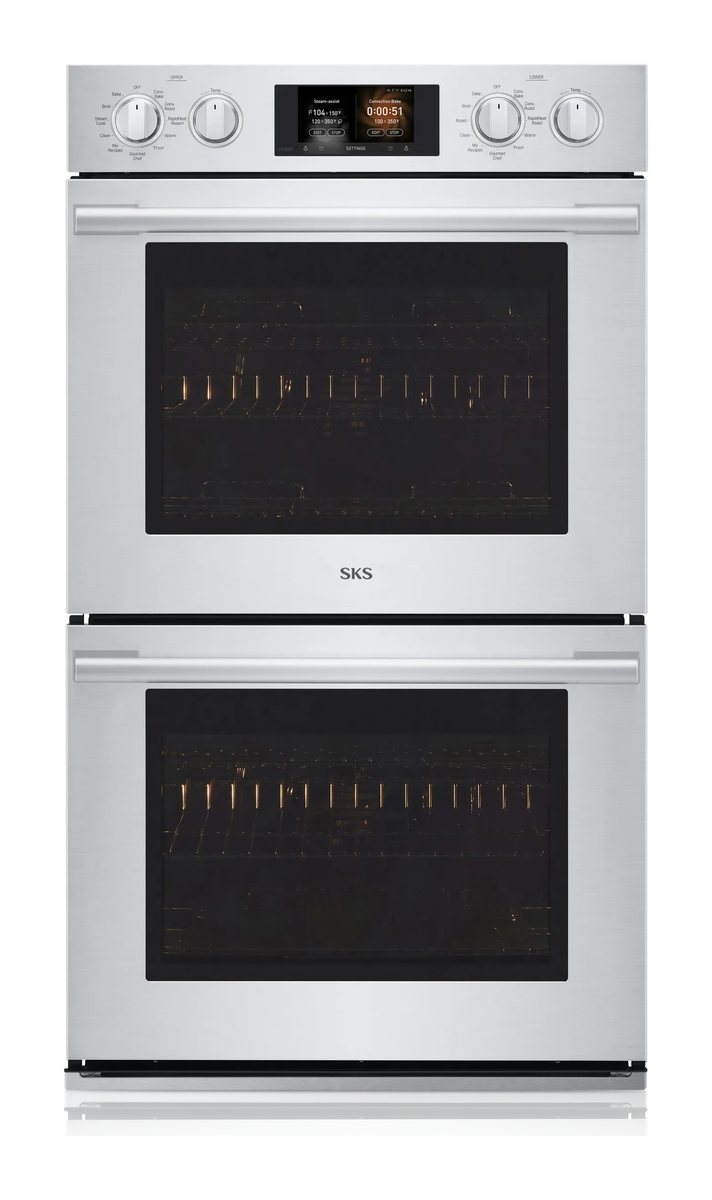
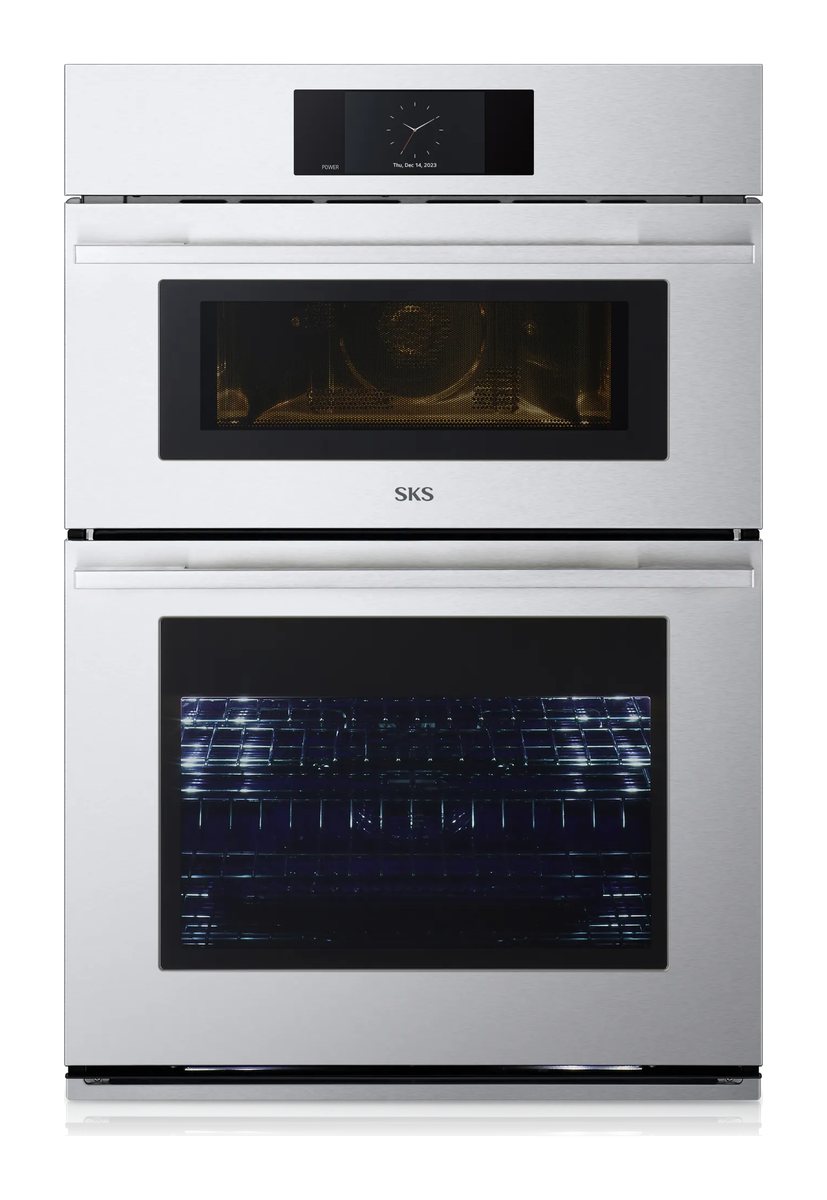
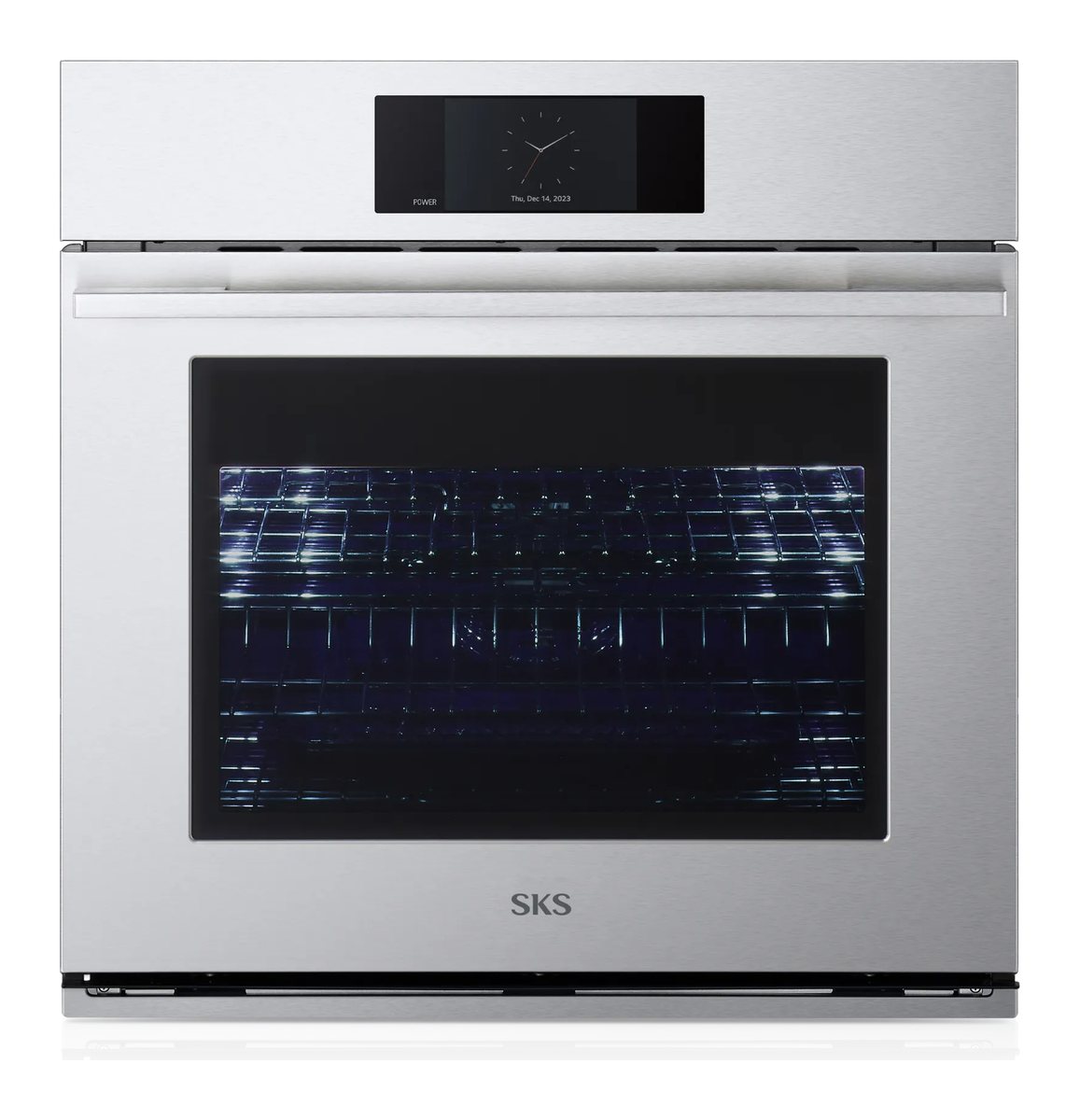
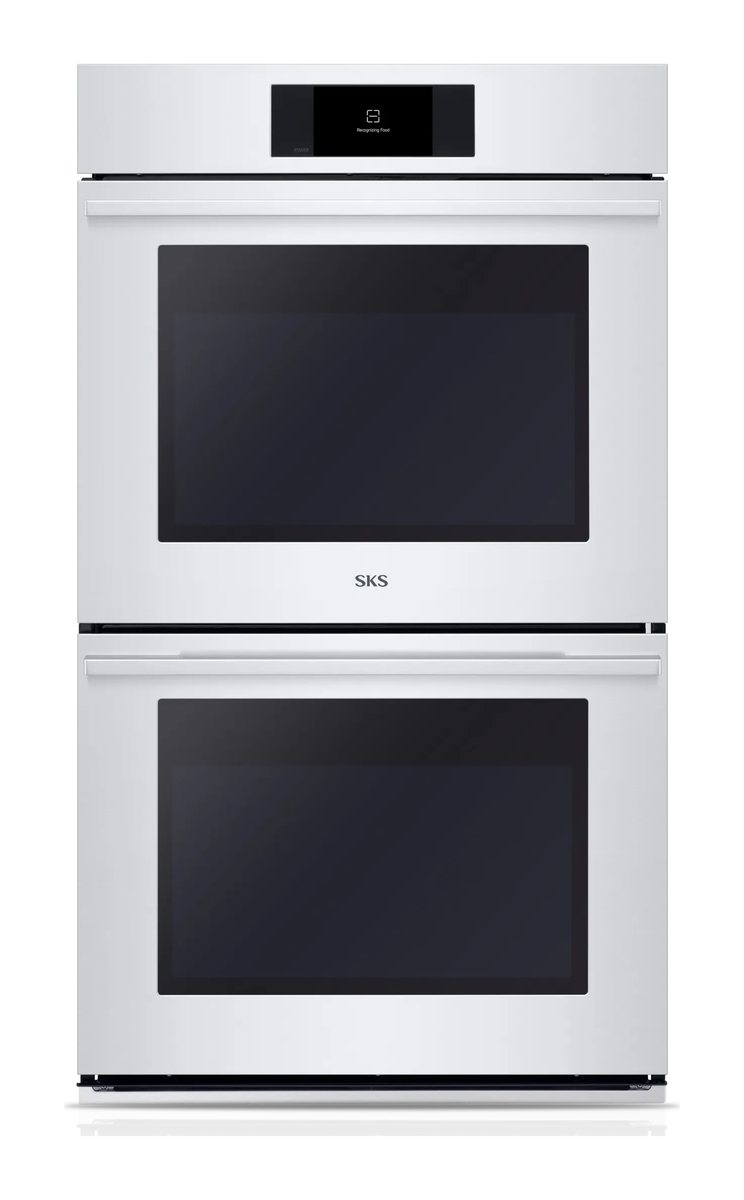
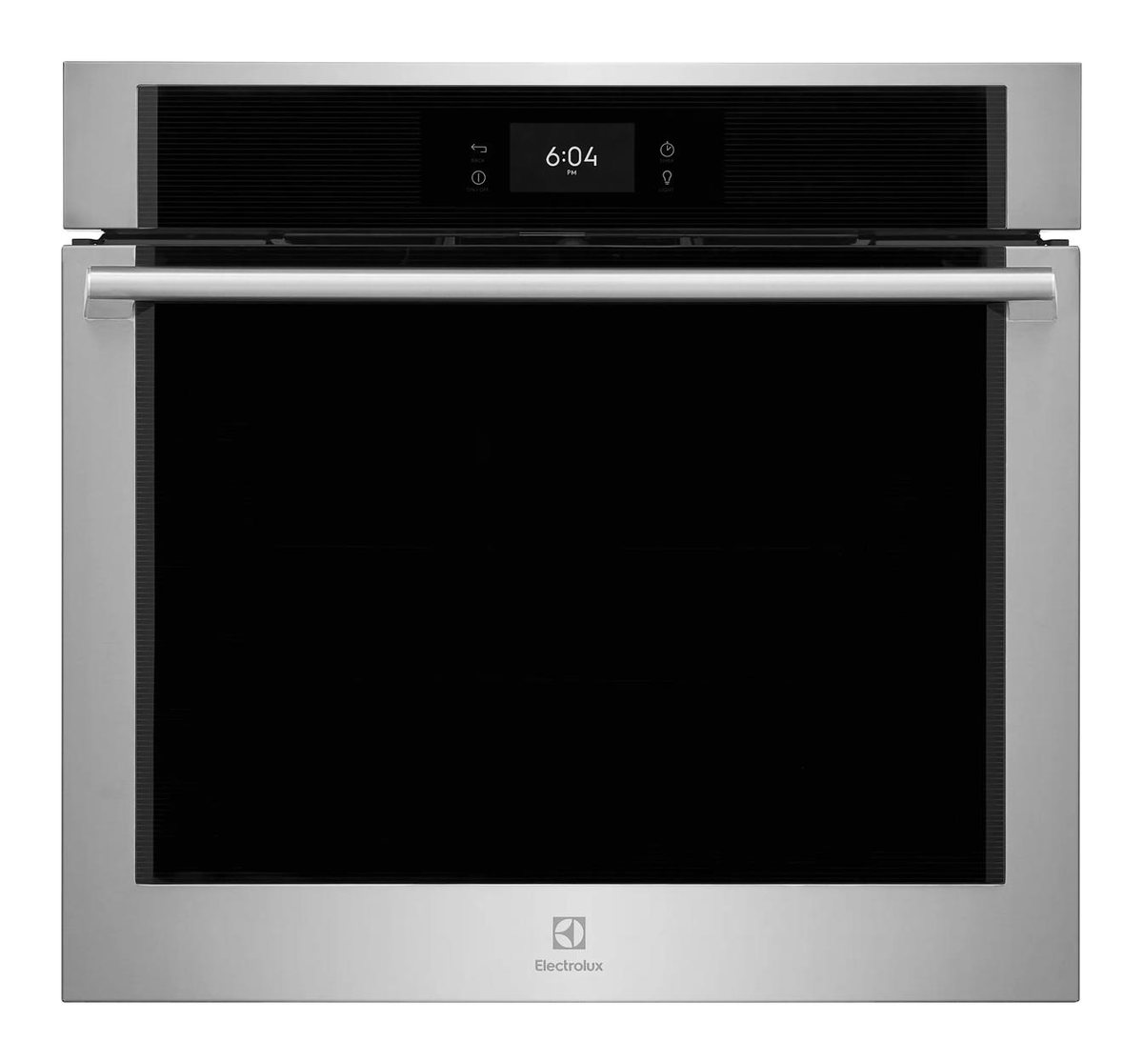
Home Steam Ovens
Countertop and built-in models for residential kitchens
Commercial Combi Ovens
Professional-grade equipment for restaurants and foodservice
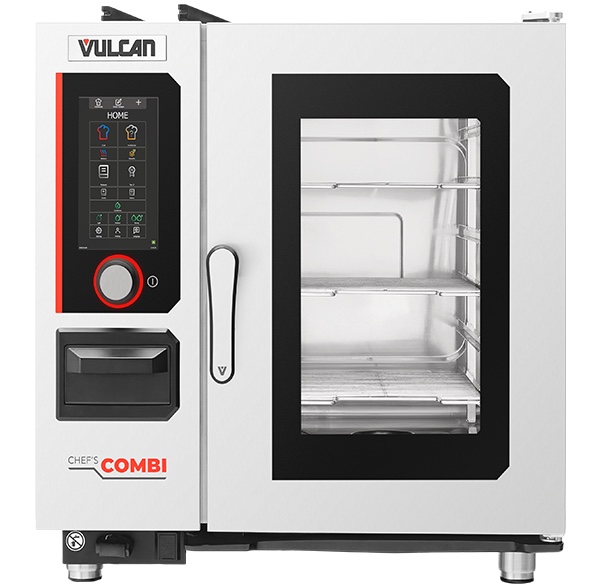
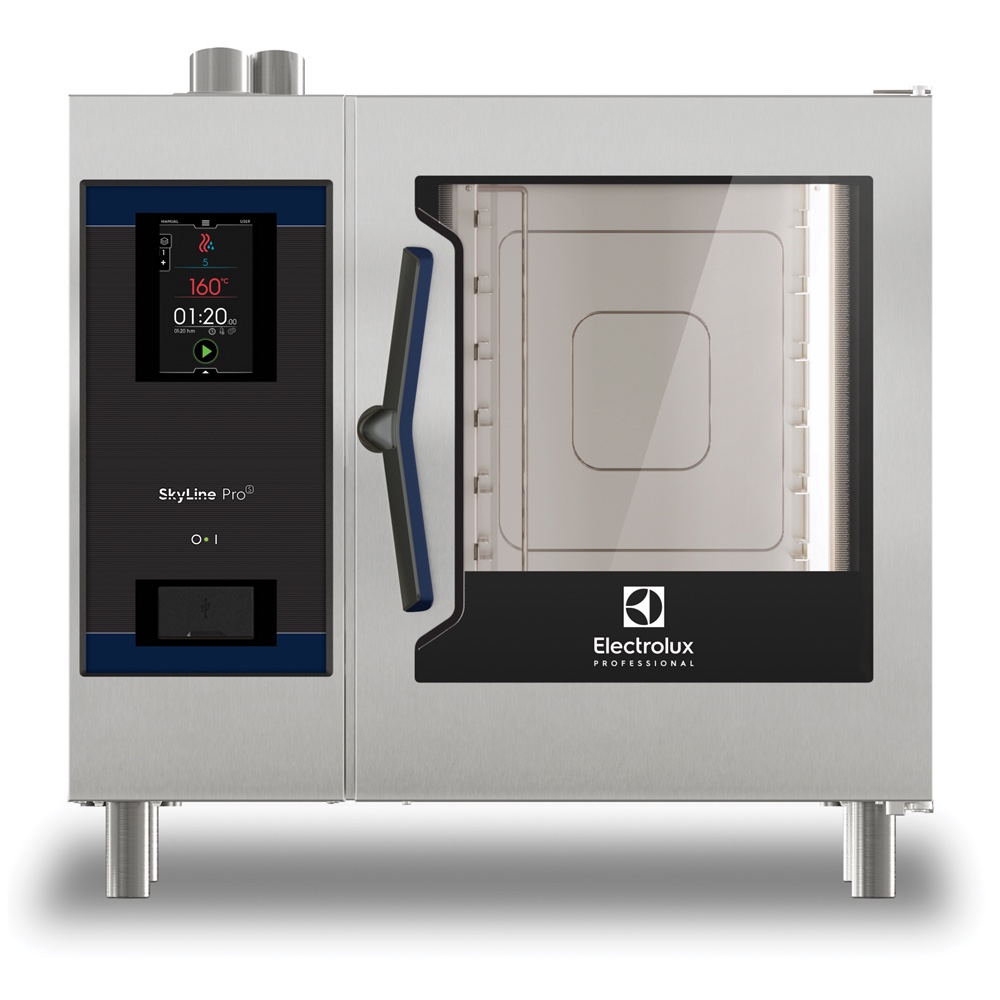
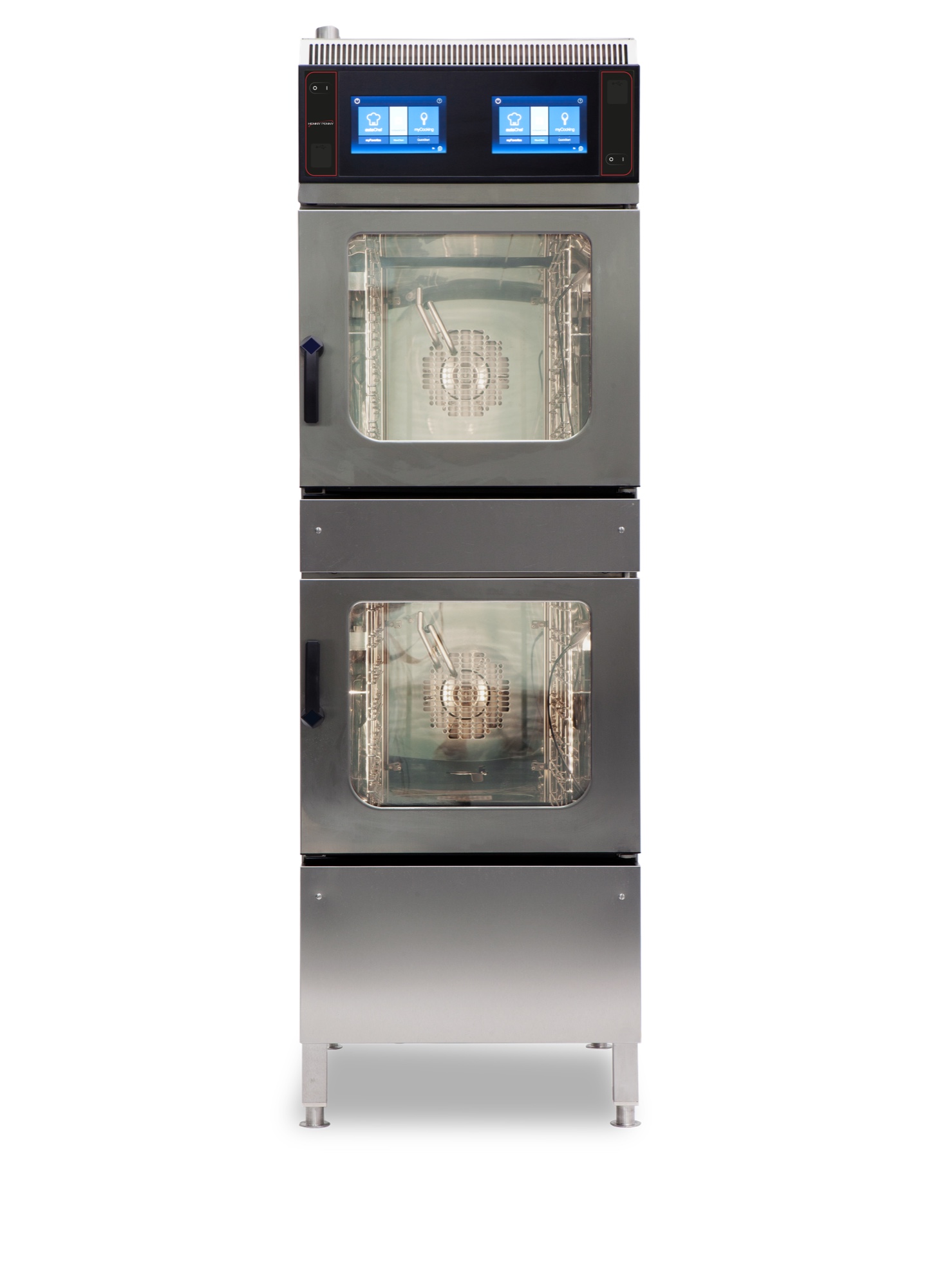
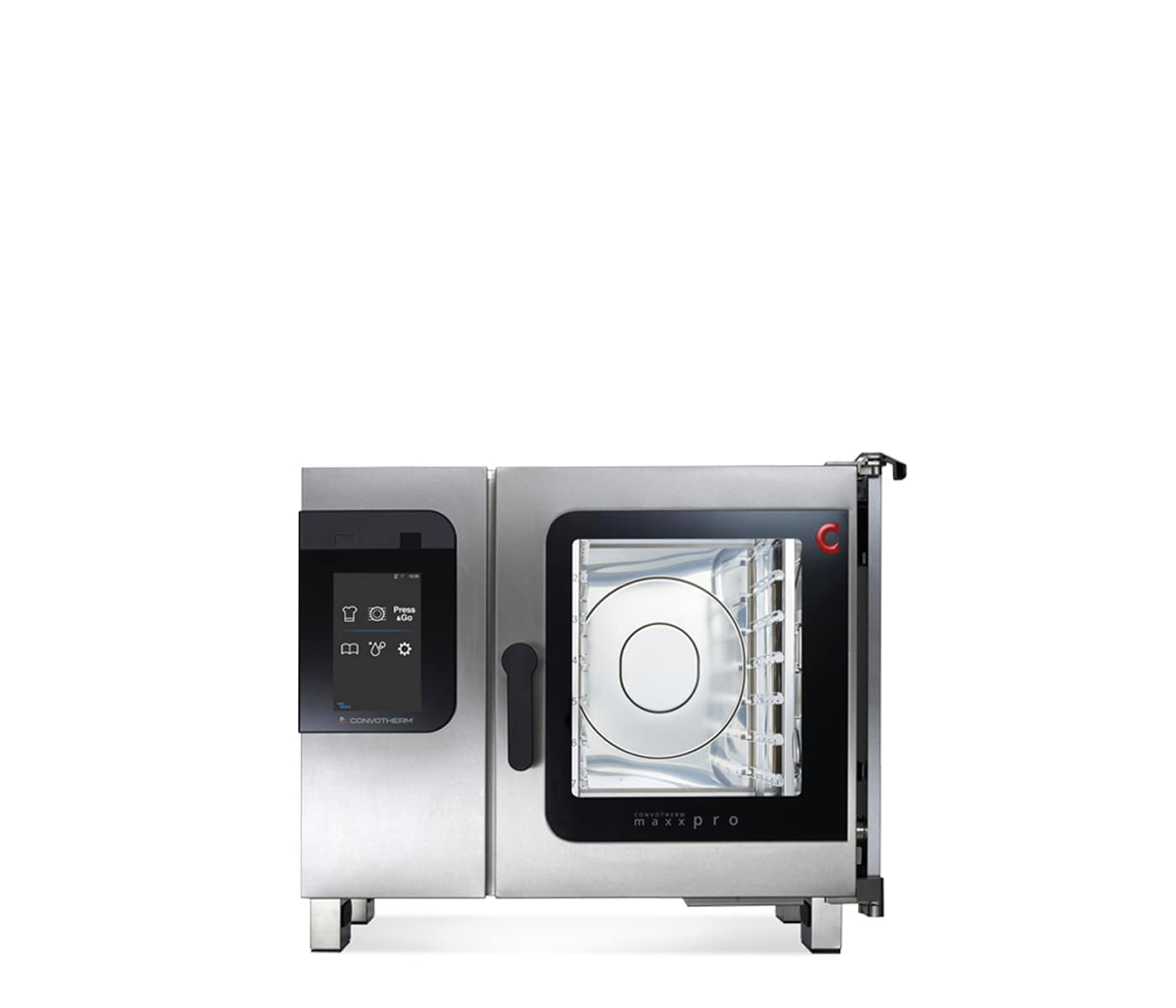
Browse by Brand
All major steam oven manufacturers
Guides & Data Studies
The research behind the recommendations — honest, and backed by our own data.

Is It Time to Throw Away My Toaster Oven?
A steam oven fits the same spot and does everything a toaster oven does — plus steam.
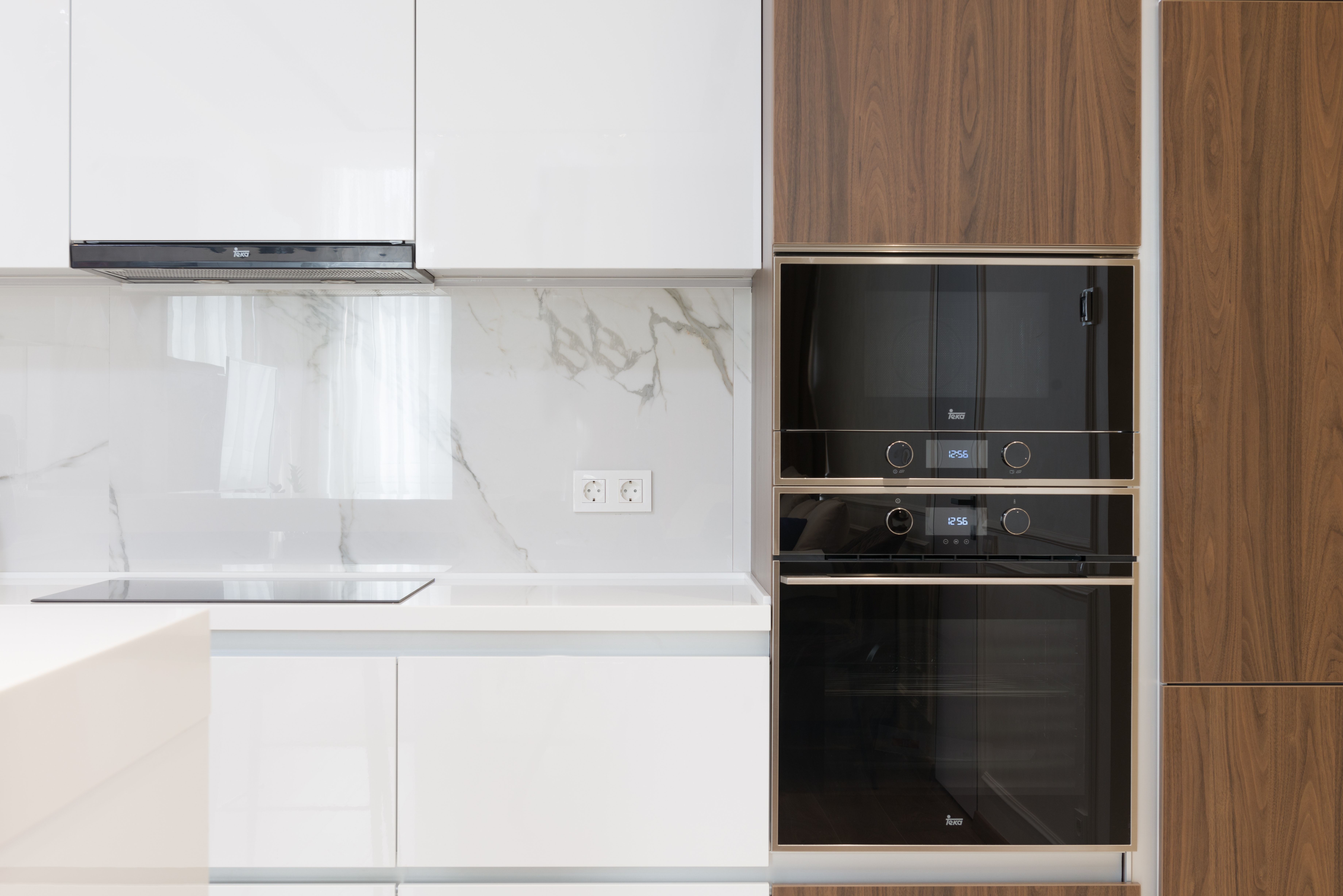
Only 1 in 3 Steam Ovens Plug Into a Standard Outlet
Which models need a dedicated circuit or an electrician — every oven, verified from the manuals.
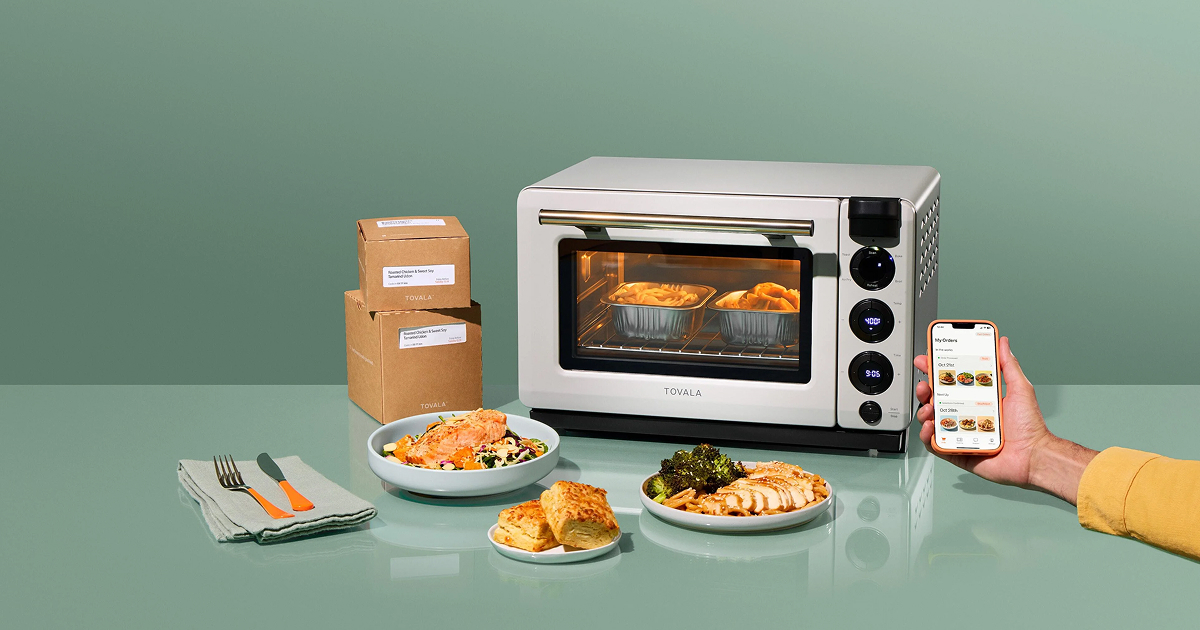
Tovala: The Steam Oven With a Meal Plan
More than an oven — how the meal subscription works, what owners say, and similar ovens.

Is a Steam Oven Worth It?
The honest verdict — what owners love, what they regret, and who should skip it.
Why Cook with Steam?
Healthier Cooking
Steam preserves nutrients better than other cooking methods. No oil needed for moist, flavorful results.
Better Results
Perfect bread crusts, juicy roasts, and restaurant-quality vegetables. Steam gives you control other ovens can't match.
Versatile
From sous vide to reheating leftovers, steam ovens do things conventional ovens simply cannot.