Steam Oven vs Microwave: An Honest Comparison
These appliances solve different problems. Here's the science behind each, tested with real food, so you can decide what makes sense for your kitchen.
The Bottom Line
Microwaves heat food fast. Steam ovens heat food well. For beverages, defrosting, and "I need this hot in 60 seconds" moments, microwaves are the right tool. For actual cooking and reheating where you care about how the food tastes, steam produces noticeably better results—especially for fish, vegetables, and leftovers. Most kitchens benefit from having both.
How Each Technology Works
The results these appliances produce come down to physics. Understanding the mechanism explains why they perform so differently.
Microwaves: Electromagnetic Heating
Microwave ovens emit electromagnetic waves at 2.45 GHz. These waves cause water molecules in food to rotate rapidly—about 2.45 billion times per second. This molecular friction generates heat.
Key characteristics:
- Penetration depth: Waves penetrate 1-1.5 inches into food, heating the interior directly rather than from the surface inward
- Speed: Because you're heating water molecules directly, food heats almost instantly—the fastest cooking method available
- Uneven heating: Wave patterns create hot spots and cold spots; that's why turntables exist and why you're told to stir food halfway through
- Texture effects: Rapid molecular vibration can disrupt cell structure, which is why some foods become rubbery or mushy
- No browning: The air inside stays cool, so the Maillard reaction (browning) doesn't occur
Steam Ovens: Conductive Heating
Steam ovens heat water to create vapor at 212°F (100°C), or higher in superheated models. This steam surrounds food and transfers heat through direct contact—the same principle as stovetop steaming, but in a controlled oven environment.
Key characteristics:
- Surface heating: Heat transfers from outside to inside, like traditional cooking methods
- Even distribution: Steam surrounds food uniformly, eliminating hot spots
- Temperature ceiling: Pure steam maxes out at 212°F (water's boiling point), though superheated steam ovens can go higher
- Moisture addition: Food is surrounded by water vapor, so it can't dry out
- Slower than microwave: Conductive heating takes longer than direct molecular excitation
The Heat Transfer Difference
Water conducts heat about 25 times more efficiently than air. This is why 212°F steam feels much hotter than 212°F air, and why steam cooks faster than a conventional oven at the same temperature—while still being gentler than microwave heating.
Side-by-Side Comparison
| Factor | Microwave | Steam Oven |
|---|---|---|
| Heating Speed | 30 sec - 3 min | 5 - 15 min |
| Heating Evenness | Poor (hot spots) | Excellent |
| Texture Preservation | Variable | Good |
| Moisture Effect | Removes (dries out) | Adds (can't dry out) |
| Browning/Crisping | No | No (unless combi) |
| Learning Curve | Minimal | Moderate |
| Entry Price | $50 - $150 | $200 - $500 |
| Maintenance | Wipe clean | Descaling required |
| Counter Space | Compact options available | Generally larger |
| Ubiquity | 90%+ of US kitchens | ~5% of US kitchens |
Same Food, Different Results
Theory is useful, but results matter. We tested common foods in both appliances to show the actual differences. Your mileage may vary based on specific models and technique.
Microwave
Method: 3-4 min, covered, with 2 tbsp water
Result: Outer florets softer than center pieces. Color shifts toward olive/army green. Some pieces have that distinct "microwaved vegetable" taste—slightly flat, less vibrant.
Time: ~4 minutes
Steam Oven
Method: 6-8 min at 212°F, perforated pan
Result: Even cooking throughout. Brighter green color retained. Texture is crisp-tender—slight resistance when bitten. Tastes cleaner.
Time: ~8 minutes
Microwave
Method: 3 min at 50% power, covered
Result: Edges overcooked while center may be undercooked. White albumin protein pools on surface. Texture is bouncy rather than flaky. Strong fish smell fills kitchen.
Time: ~3 minutes
Steam Oven
Method: 12-15 min at 185°F or 8 min at 212°F
Result: Even cooking edge-to-edge. Flesh stays moist and flakes easily. Minimal albumin leakage. Less fish smell—steam carries it away through the vent.
Time: ~12 minutes
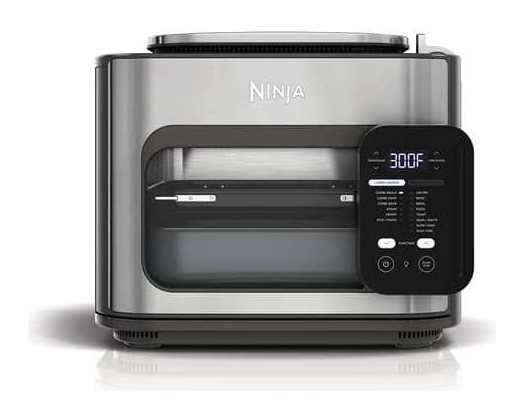
Budget countertop option
Ninja Combi All-in-One Multicooker, Oven & Air Fryer$180 — Entry-level steam cooking without a big investment.
Microwave
Method: 2 min covered with damp paper towel
Result: Uneven—some grains still cold and hard, edges dried out. Clumps together. Clearly reheated rice.
Time: ~2 minutes
Steam Oven
Method: 5-8 min at 212°F in shallow dish
Result: Every grain heated evenly. Moisture restored. Grains separate. Closer to fresh-cooked.
Time: ~7 minutes
Microwave
Method: 5-6 min at 70% power, flipping once
Result: Rubbery texture—protein seizes from rapid heating. Edges overcooked, center may be questionable. Releases liquid. Gray appearance.
Time: ~6 minutes
Steam Oven
Method: 20-25 min at 185°F or 15 min at 212°F
Result: Tender throughout, impossible to overcook at lower temps. Clean white color. Good for slicing into salads.
Time: ~20 minutes
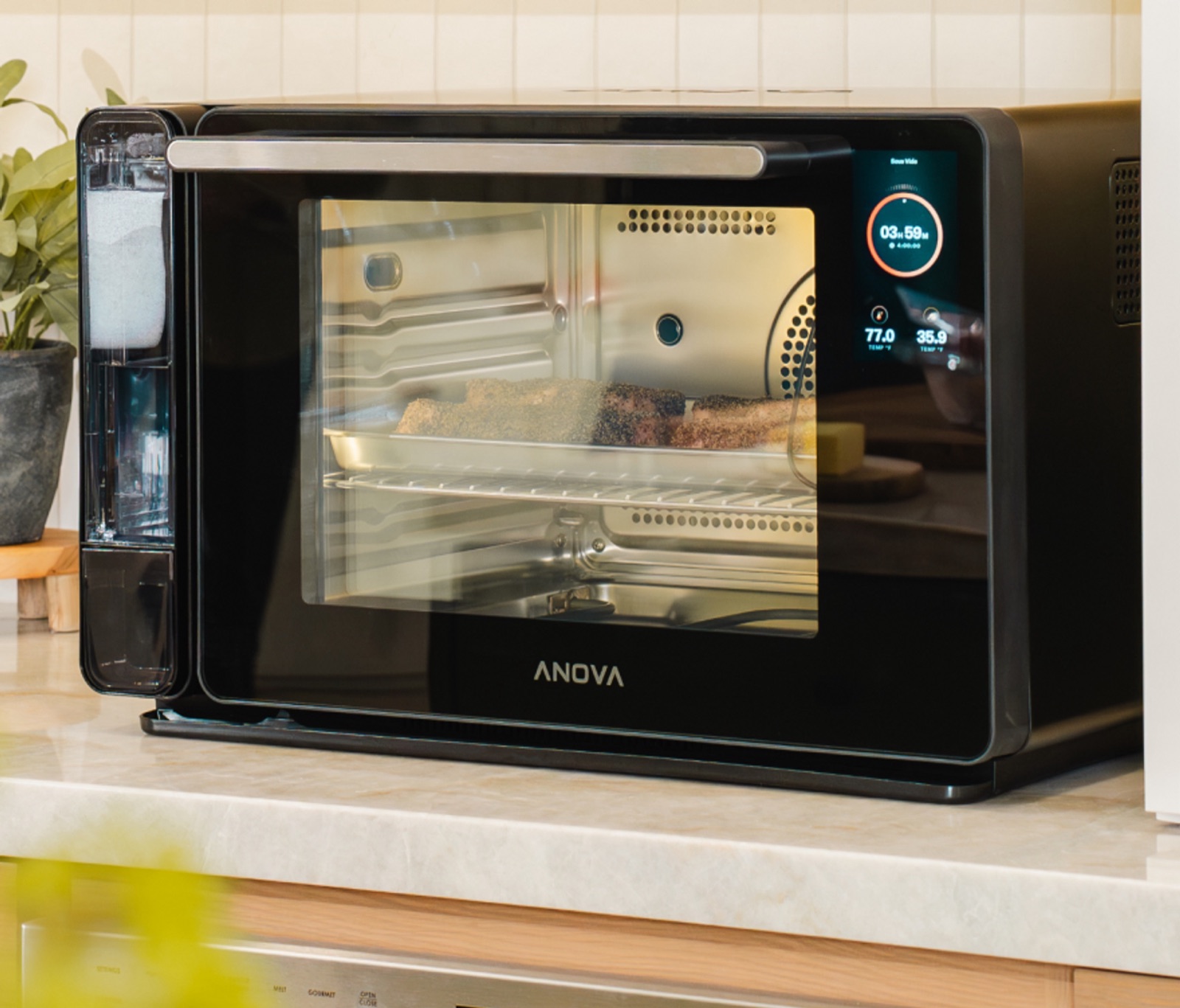
Popular for precision cooking
Anova Precision Oven 2.0$1,299 — Combi-steam with precise temperature control. Great for proteins.
Microwave
Method: 45-60 seconds
Result: Cheese melts but crust becomes chewy and floppy. Loses all crispness. The "sad microwave pizza" everyone knows.
Time: ~1 minute
Steam Oven (Combi Mode Only)
Method: 5-7 min at 375°F with low steam
Result: Cheese melts, toppings heated, crust re-crisps. Requires combi mode—pure steam won't crisp the crust.
Time: ~6 minutes
Microwave
Method: Not recommended
Result: Eggs can explode—steam builds inside the shell faster than it escapes. Even with pinholes, results are inconsistent and there's real risk. Don't do this.
Time: N/A
Steam Oven
Method: 10-12 min at 212°F on rack
Result: Consistent results every time. No green ring around yolk. Shells peel easily (steam separates membrane from shell).
Time: ~12 minutes
Microwave
Method: 60-90 seconds
Result: Hot coffee. Might need to stir due to temperature gradient (top hotter than bottom), but it works fine.
Time: ~90 seconds
Steam Oven
Method: Not practical
Result: You could do this, but it would take 10+ minutes and might condense water into your coffee. No advantage.
Time: ~10+ minutes
Where Microwaves Excel
Microwaves are genuinely the right tool for specific tasks:
- Heating beverages: Coffee, tea, water for instant oatmeal. Speed matters, texture doesn't.
- Melting butter or chocolate: Controlled pulses give you precision. Actually easier than stovetop.
- Softening cream cheese or butter: 15-20 seconds transforms rock-hard fridge items.
- Quick defrosting: When you forgot to thaw something and need it in 10 minutes, not 2 hours.
- Popcorn: Purpose-built for the task.
- Steaming vegetables in bags: Those microwave steam bags actually work reasonably well.
- Heating frozen meals: They're designed for microwave preparation.
- "I need calories now" moments: Sometimes you don't care about optimal texture. You need food hot, immediately.
Microwaves also have practical advantages: they're cheap ($50-150 for a decent one), everyone knows how to use them, they require no maintenance, and they fit in small spaces. There's a reason 90%+ of American households have one.
Where Steam Ovens Excel
Steam produces better results than microwave for most actual cooking:
- Fish and seafood: The biggest difference. Silky texture, even cooking, nearly impossible to overcook. Microwave fish is rubbery; steam fish is restaurant-quality.
- Vegetables: Bright color, crisp-tender texture, better nutrient retention. Microwave vegetables are edible; steam vegetables are enjoyable.
- Reheating: Leftovers taste closer to fresh—moisture is restored, not removed. This compounds over a week of meal prep.
- Lean proteins: Chicken breast stays moist. Microwave chicken breast is notoriously bad.
- Rice and grains: Day-old rice reheats to near fresh-cooked quality instead of dried-out clumps.
- Eggs: Consistent hard/soft boiled eggs with easy-peel shells. (Microwaving eggs in shell is dangerous.)
- Dumplings, bao, tamales: Proper steaming is the only correct method for these.
Countertop Steam Ovens to Consider

The Practical Reality
This isn't an either/or choice. Microwaves cost $100 and handle specific tasks well—beverages, defrosting, melting butter. Steam ovens cost $200-500 for countertop models and handle different tasks better—cooking proteins, vegetables, and reheating food you actually want to eat.
Most households that add a steam oven keep their microwave. You use the microwave when speed matters and quality doesn't. You use the steam oven when quality matters and you have 10 minutes instead of 2.
Steam ovens make the most difference for:
- Fish and seafood (the single biggest quality gap)
- Vegetables you want to actually enjoy eating
- Meal prep—reheating throughout the week without quality degradation
- Lean proteins like chicken breast
- Asian cuisines with steamed dishes (dumplings, bao, tamales)
- Bread baking (combi-steam models)
Frequently Asked Questions
Can a steam oven replace a microwave?
For reheating food, mostly yes—with better results but slower speed. But steam ovens can't match microwaves for heating beverages, quick defrosting, or those moments when you need something hot in 60 seconds. Most households that add a steam oven keep their microwave.
Is steamed food healthier than microwaved food?
Slightly, in most cases. Steam cooking retains more water-soluble vitamins than microwave heating, and requires no added fat. But the difference isn't dramatic—the bigger factor is what you eat, not how you heat it. The practical health benefit of steam is that better-tasting vegetables mean you're more likely to eat them.
Why does microwaved food sometimes get rubbery?
Rapid microwave heating causes proteins to contract quickly, squeezing out moisture and creating tough texture. The uneven heating (hot spots) makes this worse in some areas. Steam's gentler, slower heating gives proteins time to heat without seizing up.
How much longer does steam cooking take?
Typically 2-4x longer. Reheating a plate takes 1-2 minutes in microwave vs 5-8 in steam. Cooking raw chicken takes 6 minutes in microwave vs 15-20 in steam. Whether that time matters depends on your schedule and how much you value the quality difference.
Do steam ovens make food soggy?
No. This is a common concern but doesn't match reality. Steam surrounds food but doesn't waterlog it—vegetables come out crisp-tender, not mushy. The exception: if you want crispy or crunchy textures, pure steam can't provide that. You need convection heat (or a combi-steam oven).
What about microwave-steam combo units?
These use microwave heating with a steam component. Results are better than pure microwave, faster than pure steam, but master of neither. They're a reasonable compromise if you want some steam benefits without a separate appliance.
The Bottom Line
Microwaves heat food fast. Steam ovens heat food well. They're not competing for the same job.
If you regularly cook fish, vegetables, or lean proteins—or if you meal prep and reheat food throughout the week—a steam oven produces noticeably better results than a microwave. The texture difference with fish is significant. The vegetable difference is real. The reheating difference adds up over time.
For heating coffee, defrosting, and "I need calories in 90 seconds" moments, the microwave is the right tool. For actual cooking where you care about the outcome, steam is better.
Continue Learning
Make steam reheating easy
Reheat in a perforated pan, or in the oven-safe glass dish you stored it in. Affiliate links, at no cost to you.

Miele's manual recommends perforated containers so steam reaches food from all sides. A 1/3 pan is about 12.75 x 6.9 in; check your oven's interior before buying.
View on Amazon · ~$50Store leftovers in oven-safe glass and reheat in the same dish with the plastic lid off. Let it come to room temperature first to avoid thermal shock.
View on Amazon · ~$47
Steam cooks faster than you expect. A one-second probe stops you overcooking fish and chicken while you learn.
View on Amazon · ~$15
For rice, grains, custards and anything that holds liquid. Set it under the perforated pan to catch drippings. Same 12.75 x 6.9 in footprint.
View on Amazon · ~$13