Steam Oven Eggs & Custards
Eggs and custards need gentle, even heat. Traditionally that means water baths—finicky, sloshy, and easy to mess up. A steam oven provides the same gentle environment with none of the hassle.
Why Steam for Eggs and Custards?
Eggs coagulate at relatively low temperatures—around 160-180°F for most applications. Above that, proteins tighten and squeeze out moisture, giving you rubbery eggs or curdled custard.
The problem with conventional ovens: even at low settings, the dry heat can create hot spots and temperature swings. That's why recipes call for water baths—the water moderates temperature fluctuations.
A steam oven solves this naturally:
- Precise temperature control: Steam can't exceed 212°F at sea level
- Even heat distribution: Steam surrounds food uniformly
- Humidity prevents drying: Surface stays moist, no skin formation
- No water bath needed: Skip the roasting pan and hot water handling
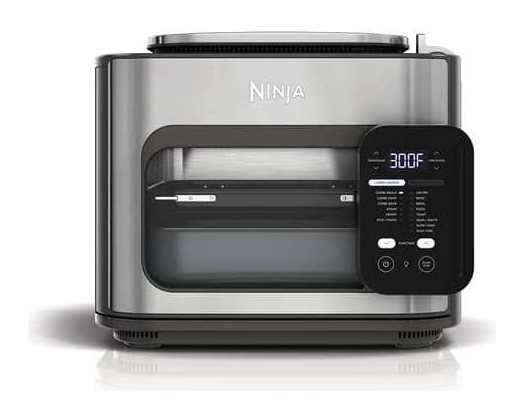
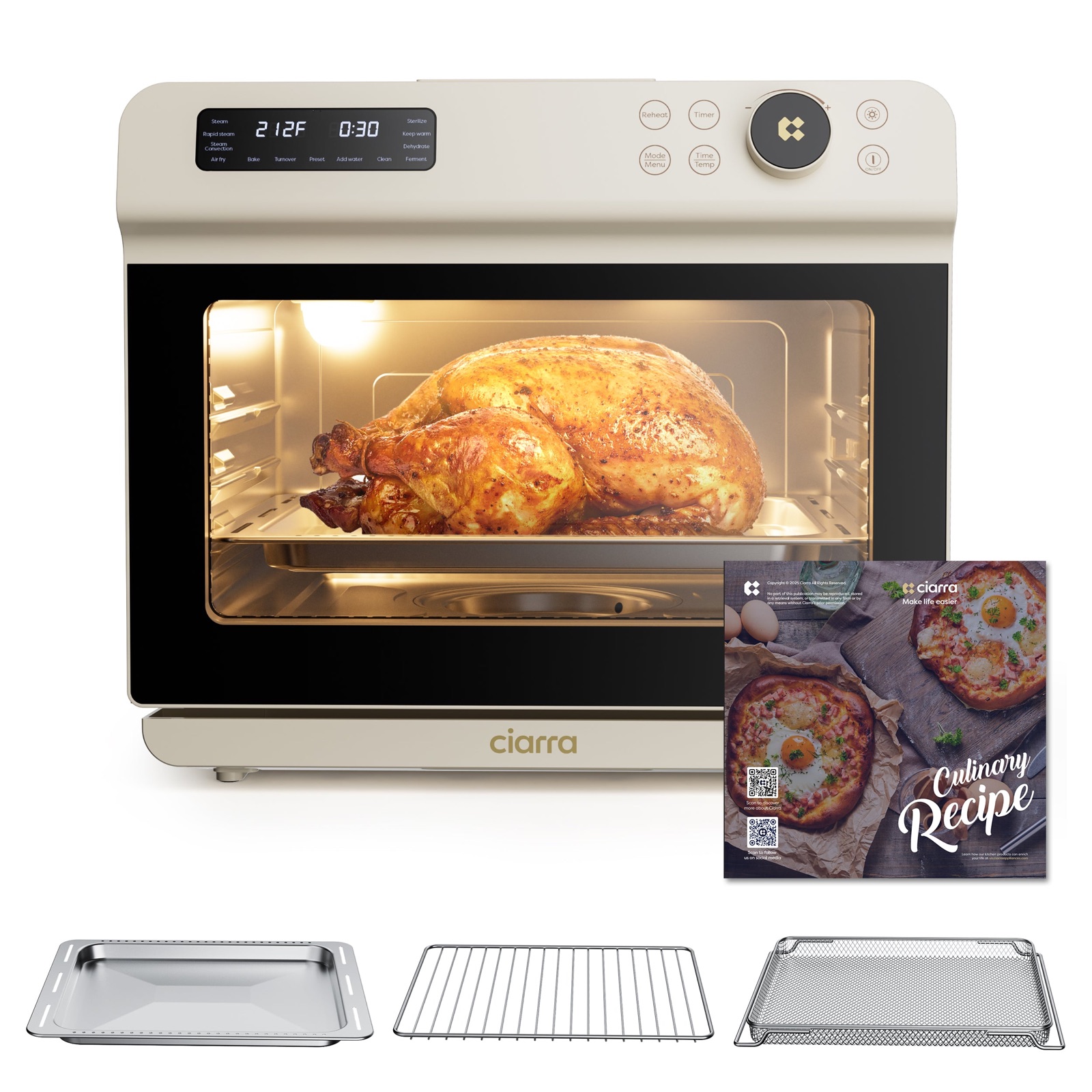
The best steam ovens for eggs & custards
Picked from the ovens we price-track daily. Some links earn us a commission — never at your cost, never affecting rankings.

Hard-Boiled Eggs (Steam Method)
Steam "boiling" produces more consistent results than actual boiling—and the shells peel easier.
| Doneness | Time at 212°F | Result |
|---|---|---|
| Soft-boiled | 9-10 min | Runny yolk, set white |
| Medium | 11-12 min | Jammy yolk |
| Hard-boiled | 13-14 min | Fully set yolk, no green ring |
Method:
- Place eggs directly on steam oven rack (cold from fridge is fine)
- Set to 212°F full steam
- Steam for desired time
- Transfer immediately to ice bath for 5 minutes
- Peel and enjoy
Custard and Flan
Classic baked custard becomes foolproof in a steam oven.
Basic Custard Recipe
- 4 eggs
- 2 cups whole milk or cream
- ½ cup sugar
- 1 tsp vanilla
- Pinch of salt
Method:
- Whisk eggs, sugar, salt, and vanilla
- Heat milk until steaming (not boiling)
- Slowly whisk hot milk into egg mixture
- Strain through fine mesh sieve
- Pour into ramekins
- Steam at 185°F for 35-45 minutes until just set with slight jiggle in center
- Chill at least 4 hours before serving
Temperature Tip
For custards, 185°F is better than 212°F. The lower temperature gives you a wider margin of error and silkier results. Most steam ovens can be set to specific temperatures.
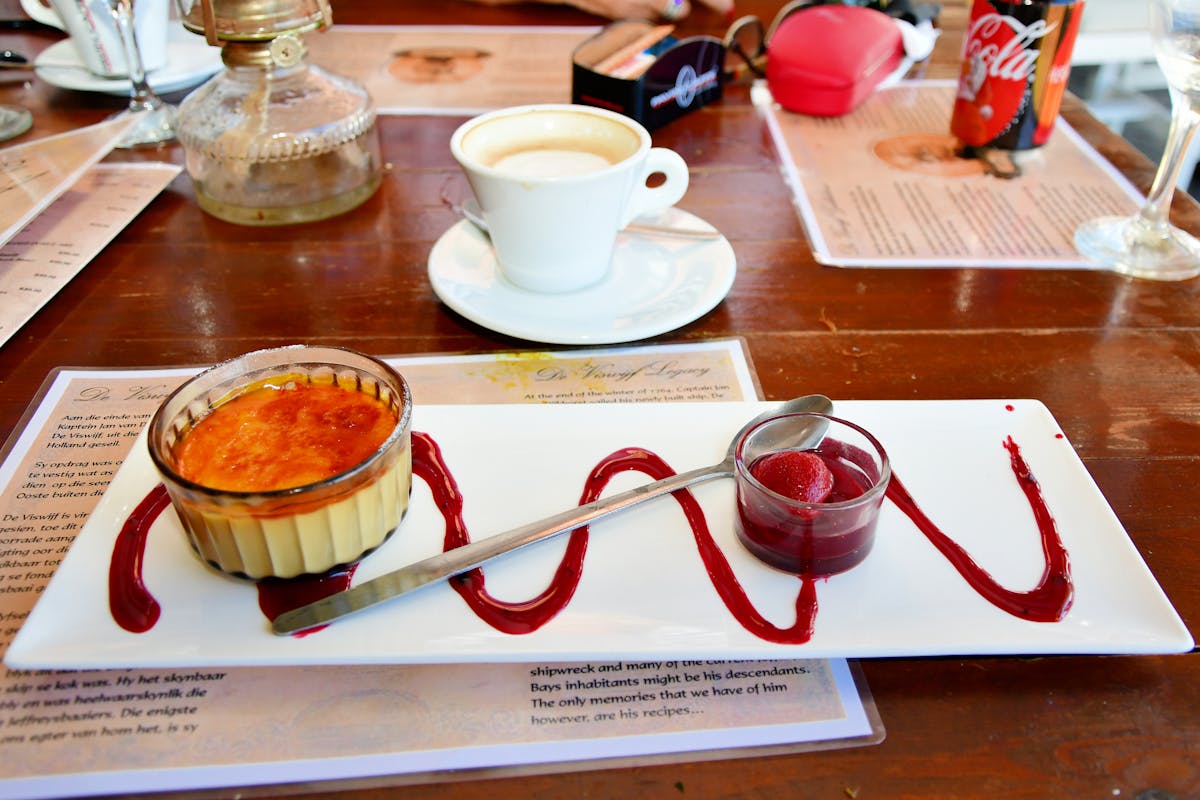
Crème Brûlée
The most impressive dinner party dessert—and shockingly easy with steam.
Timing:
- Temperature: 185°F full steam
- Time: 40-50 minutes
- Test: Should jiggle like gelatin, not liquid
Method:
- Make custard base with heavy cream and egg yolks only (no whites)
- Pour into shallow ramekins—depth matters more than width
- Steam until just set
- Chill thoroughly (at least 4 hours, overnight is better)
- Top with thin layer of sugar, torch until caramelized
Cheesecake
Steam prevents the dreaded cheesecake crack. The moist environment keeps the surface from drying and splitting.
Method:
- Prepare your favorite cheesecake recipe
- Wrap springform pan bottom in foil (not for water—to catch drips)
- Steam at 185-195°F for 60-75 minutes
- Center should have slight jiggle
- Turn off oven, crack door, let cool gradually (30 min in oven)
- Refrigerate overnight before unmolding
Japanese-Style Steamed Eggs (Chawanmushi)
This savory egg custard is traditionally steamed—perfect steam oven application.
Basic Recipe:
- 2 eggs
- 1½ cups dashi or chicken broth
- 1 tbsp soy sauce
- 1 tbsp mirin
Method:
- Whisk eggs, then add cooled broth and seasonings
- Strain into cups or bowls
- Add toppings (shrimp, chicken, mushrooms, ginkgo)
- Cover with foil
- Steam at 185°F for 15-20 minutes until just set
Egg Bites (Sous Vide Style)
Those coffee shop egg bites? Perfect steam oven project.
Method:
- Blend eggs, cottage cheese, and cheese until smooth
- Add mix-ins (bacon, peppers, herbs)
- Pour into greased silicone molds or ramekins
- Steam at 185°F for 25-30 minutes
- Let cool slightly before unmolding
Troubleshooting
Custard is rubbery or has bubbles
Temperature too high. Drop to 185°F and extend time.
Custard didn't set
Not enough time, or egg ratio too low. It should jiggle, not slosh.
Surface is watery
Cover ramekins with foil to prevent condensation drips.
Eggs peel poorly
Ice bath is essential. Also, older eggs peel better than fresh.
Temperature Guide Summary
| Dish | Temperature | Time |
|---|---|---|
| Hard-boiled eggs | 212°F | 13-14 min |
| Soft-boiled eggs | 212°F | 9-10 min |
| Custard/flan | 185°F | 35-45 min |
| Crème brûlée | 185°F | 40-50 min |
| Cheesecake | 185-195°F | 60-75 min |
| Chawanmushi | 185°F | 15-20 min |
| Egg bites | 185°F | 25-30 min |

Gear for eggs and custards
What we use for this recipe. Affiliate links, at no cost to you; they never affect our oven rankings.
The right size for steam-oven custards, crème brûlée and individual egg bakes.
View on Amazon · ~$21
Oven-safe glass cups for individual custards and egg cups. Glass lets you see when the custard has set.
View on Amazon · ~$17
Steam cooks faster than you expect. A one-second probe stops you overcooking fish and chicken while you learn.
View on Amazon · ~$15
For rice, grains, custards and anything that holds liquid. Set it under the perforated pan to catch drippings. Same 12.75 x 6.9 in footprint.
View on Amazon · ~$13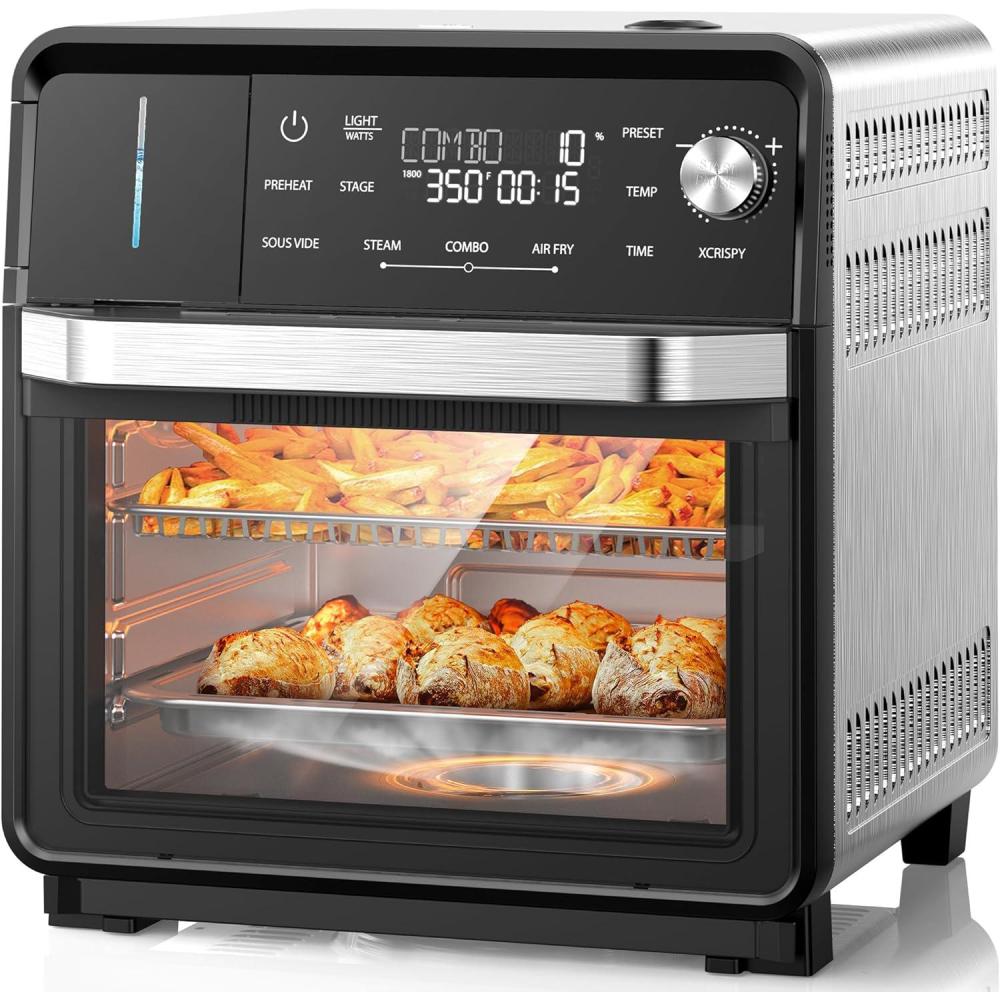
A steam oven turns these techniques into everyday cooking. Here’s our top pick — check today’s price on Amazon.
As an Amazon Associate we earn from qualifying purchases — at no extra cost to you.